cation exchange media
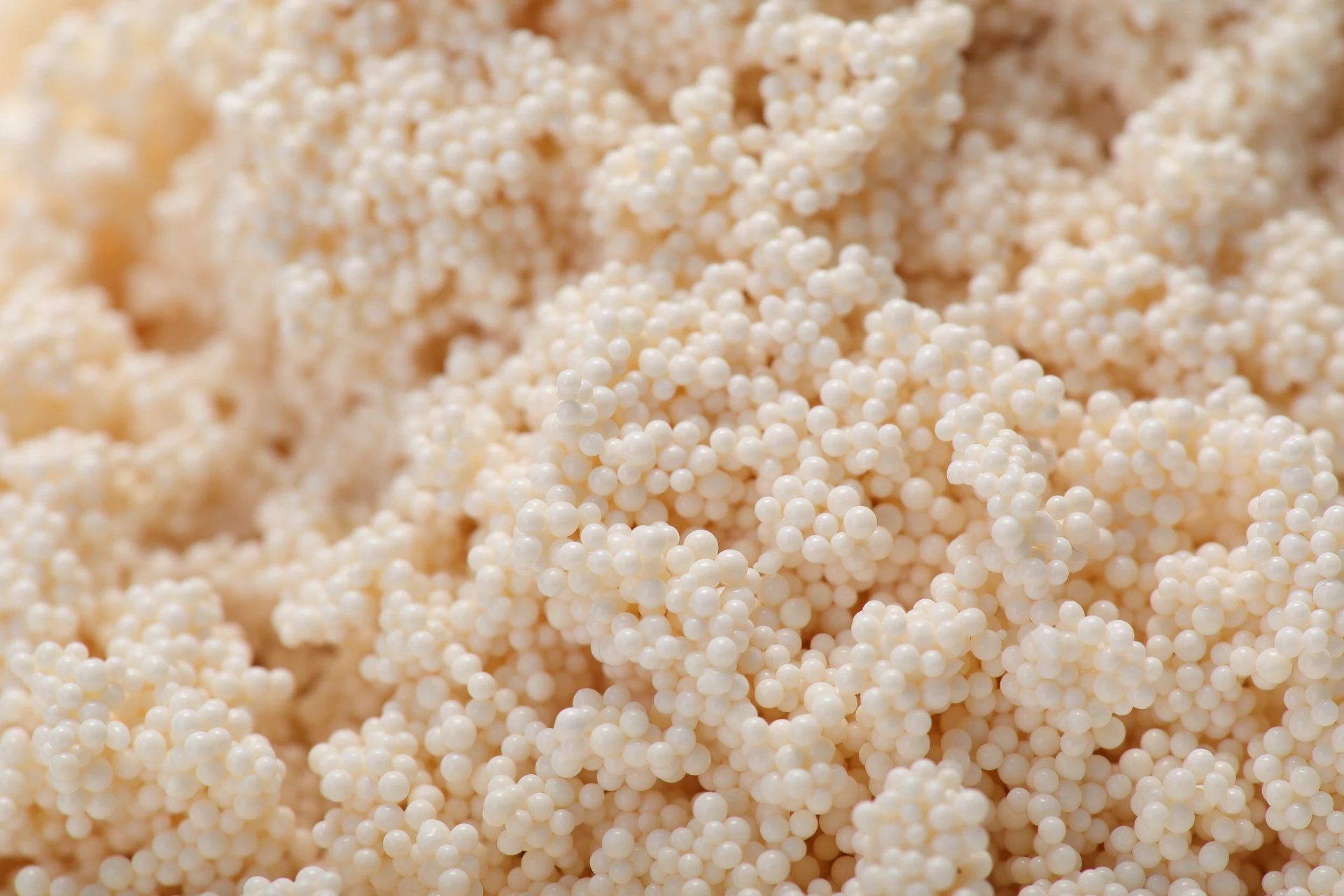
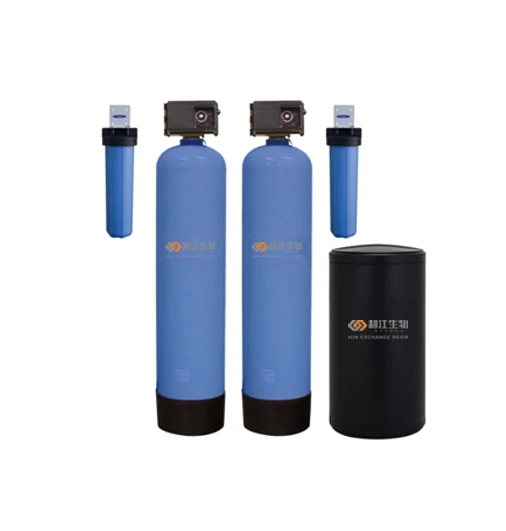
Understanding the Cation Exchanger: A Critical Component for Industry and Environment At first glance, a cation exchanger might sound like niche chemistry jargon, but it’s actually a humble yet vital technology offering solutions worldwide — from water purification to industrial processes and even humanitarian aid. Understanding this component is key, especially as global challenges like water scarcity, pollution, and sustainable manufacturing demand smarter, energy-efficient methods. In real terms, cation exchangers help us remove unwanted positive ions—like calcium, magnesium, or heavy metals—from liquids by swapping them with harmless ions like sodium or hydrogen. This ion trade-off underpins everything from softening household water to large-scale decontamination in disaster zones. In a world increasingly focused on clean resources and circular economies, cation exchangers quietly play a starring role. The Global Context: Why Cation Exchange Matters More Than Ever According to the UN World Water Development Report 2023, over 2 billion people live in water-stressed countries, intensifying the need for effective water treatment technologies. Here’s where a cation exchanger comes into sharp focus. Industries like power generation, pharmaceuticals, and food processing heavily rely on water purity standards achievable through ion exchange methods. Plus, the rise of emerging economies (think: industrial hubs in Asia and Africa) pushes the demand for efficient, cost-effective softening and purification solutions. Without cation exchangers, water contamination and scaling problems could undercut both health and economic progress. Yet, challenges persist: sustainable sourcing of resins, energy consumption by large ion-exchange operations, and disposal of exhausted materials complicate the picture. Understanding the nuances of these devices helps innovators and procurement specialists alike navigate these hurdles. Mini Takeaway: Cation exchangers address pressing global water and industry purification needs. Industries and communities in developing regions benefit notably. Sustainability remains a developing challenge worth monitoring. What Exactly Is a Cation Exchanger? Put simply, a cation exchanger is a special material—usually a polymer resin or natural mineral—that swaps out positively charged ions (cations) in a liquid with other positive ions. Think of it as a tiny, highly efficient ion-trading post embedded inside columns or cartridges. On a molecular level, the exchanger’s active sites hold exchangeable ions (commonly sodium). When a water stream passes through, undesirable ions like calcium (which cause hardness) cling to these sites, releasing sodium ions in return. This selective ion swap softens water or removes contaminants. Beyond water treatment, cation exchange is pivotal for chemical synthesis, metal recovery, and even in batteries where ion mobility defines performance. The versatility and simplicity of this principle make cation exchangers a cornerstone for many modern technologies. Mini Takeaway: Cation exchangers perform ion swaps for softening and purification. They come in natural and synthetic varieties. Used broadly across water treatment, chemical, and energy sectors. Key Characteristics of Effective Cation Exchangers 1. Ion Selectivity and Capacity How well a cation exchanger selects and exchanges ions defines its efficiency. Higher capacity resins remove more hardness ions before regeneration. For instance, strong acid cation exchangers can effectively trade out multivalent ions like calcium or iron. 2. Durability and Regeneration Cation exchangers need durability to withstand frequent regeneration cycles using salt or acid solutions. A resin’s lifespan impacts operating costs considerably—some types last years, others less so. 3. Mechanical Strength The resin beads or media must resist physical breakdown to avoid clogging systems or reducing flow rates. This property is especially important for industrial setups running at high pressures and volumes. 4. Environmental Impact The sustainability angle is increasingly relevant. Some exchangers utilize eco-friendly materials or enable reduced chemical use during regeneration. Disposal or recycling of exhausted materials also factors into vendor choices. 5. Scalability and Cost Efficiency From small household units to massive industrial columns, cation exchangers scale well. Balancing upfront cost with long-term operating expenses and regeneration frequency is a practical necessity. Mini Takeaway: Ion selectivity drives performance. Durability reduces downtime and cost. Eco-friendliness and scalability influence vendor and product choice. Real-World Applications and Who Benefits It’s one thing to understand a cation exchanger conceptually; it’s another to see it in action. Around the globe, these exchangers find uses in: Municipal water treatment: Softening tap water to prevent pipe scaling and improve palatability. Industrial manufacturing: Purifying process water in steel mills, chemical plants, and food factories. Disaster relief: Portable cation exchange systems help provide safe drinking water post-flood or earthquake. Pharmaceuticals: Removing trace metal ions that may spoil drug formulations. Remote mining operations: Treating hard or contaminated water onsite. Regions like Southeast Asia and Sub-Saharan Africa especially rely on the affordability and robustness of cation exchangers for safe water. Moreover, NGOs often deploy compact ion-exchange filters during humanitarian missions, underscoring the technology’s social impact. Mini Takeaway: Industries and communities worldwide benefit from cation exchange. From big cities to disaster zones, water quality depends on this tech. Accessible, robust solutions make cation exchangers a social asset. Product Specification Table: Typical Cation Exchanger Resin Parameter Value/Range Notes Form Spherical beads Allows uniform flow Particle size 0.4 - 1.2 mm Affects pressure drop Ion exchange capacity 1.7 - 2.2 eq/L Higher means better hardness removal Regeneration chemical Sodium chloride (NaCl) Common, cost-effective Operating temp. 5 - 50 °C Limits application areas pH range 2 - 14 Broad tolerance to acidity/basicity How Do Different Cation Exchanger Vendors Stack Up? Vendor Applications Strengths Notable Features Liji Resin Water treatment, industry High capacity, durable Custom formulations, eco-friendly options Purolite Pharmaceuticals, industrial Global presence, strong R&D Wide resin portfolio Mitsubishi Chemical Food, beverage, water High purity, reliable supply Specialty resins for niche markets Advantages and Long-Term Value of Using Cation Exchangers On the practical side, cation exchangers offer undeniable value: from reducing energy-intensive boiler scaling in power plants to improving tap water taste without chemical additives. Financially, companies see decreased downtime and maintenance costs due to their reliability. There's also a trust factor — for hospitals or food producers, consistent water quality isn’t optional; it’s critical. By delivering dependable ion exchange performance, these exchangers bolster safety and consumer confidence. Environmentally, many modern resins promote less chemical waste, aligning with circular economy principles. Socially, providing access to clean water via portable ion exchange solutions improves quality of life, especially in under-resourced regions. Looking Ahead: Trends and Innovations in Cation Exchange Technology What really excites me is how this classic technology is evolving. Researchers are exploring bio-based and biodegradable resins to cut down plastic waste. Digital monitoring using IoT sensors is enabling real-time performance tracking and predictive maintenance. Automation integration means ion-exchange units can self-optimize regeneration cycles, minimizing salt and water use. Plus, green energy-powered regeneration reduces carbon footprints. Other fronts include hybrid exchange systems that combine cation exchangers with membranes or adsorption media—offering finer contaminant control. The future feels like an intersection of chemistry, engineering, and digital foresight. Challenges and Forward Solutions Despite the advantages, cation exchangers face issues like resin fouling, limited lifespan, and handling of brine waste post-regeneration. Scaling up for very large industrial volumes can also present logistics headaches. Innovative solutions like resin coatings that resist fouling, regeneration with less waste, and resin recycling technologies are making headway. Importantly, the industry is paying attention to lifecycle impacts and circularity—steps that are crucial for long-term sustainability. FAQ: Your Quick Questions on Cation Exchangers How long do cation exchangers typically last in industrial settings? With proper maintenance and timely regeneration, resin beads can last 5 to 10 years. However, harsh water chemistry or operational stress may reduce lifespan significantly. Can cation exchangers remove heavy metals like lead or iron? Yes, especially strong acid cation exchangers are effective at removing various heavy metal ions, though specific resin types may perform better for certain contaminants. Is the regeneration process environmentally friendly? Traditional regeneration uses salt solutions that produce brine waste, which requires careful disposal. Advances in low-waste regeneration and alternative chemicals are improving the environmental profile. How do I know which cation exchanger is right for my application? Consider factors like water composition, flow rate, operating pH, and required capacity. Vendors like Liji Resin often offer consultation to tailor solutions effectively. Are there portable solutions for emergency water treatment? Absolutely. Portable ion-exchange units exist and are widely used by NGOs during disasters to provide safe drinking water quickly and efficiently. Conclusion: Why Investing in Cation Exchange Technology Pays Off To wrap it up, cation exchange technology is far more than chemistry behind the scenes. From scaling down water hardness at home to enabling clean water and purified process fluids worldwide, the cation exchanger quietly but powerfully supports health, industry, and sustainability. Its balance of cost-effectiveness, adaptability, and evolving eco-conscious innovations means its importance will only grow amid global environmental and industrial shifts. If you’re interested in exploring tailored cation exchange solutions or want to stay ahead of trends, a visit to our website might just spark your next smart investment. Quick Reflection Frankly, the humble cation exchanger is one of those “unsung heroes” of modern infrastructure I wish more folks appreciated. When you think about it, so much hinges on such an elegant chemical trade — kind of poetic for a little resin bead, right? References Wikipedia: Ion exchange resin UN World Water Development Report 2023 ISO Standards on Water Treatment
-
 Strong R & D Capability And Experienced Technical Team
-
Provide Customers With Competitive And Differentiated Products